
Dana Jenkins · 7 September 2026
Orvelo Integrates Artificial Intelligence into Remote Clinic Diagnostics as Part of Major Healthcare Reforms
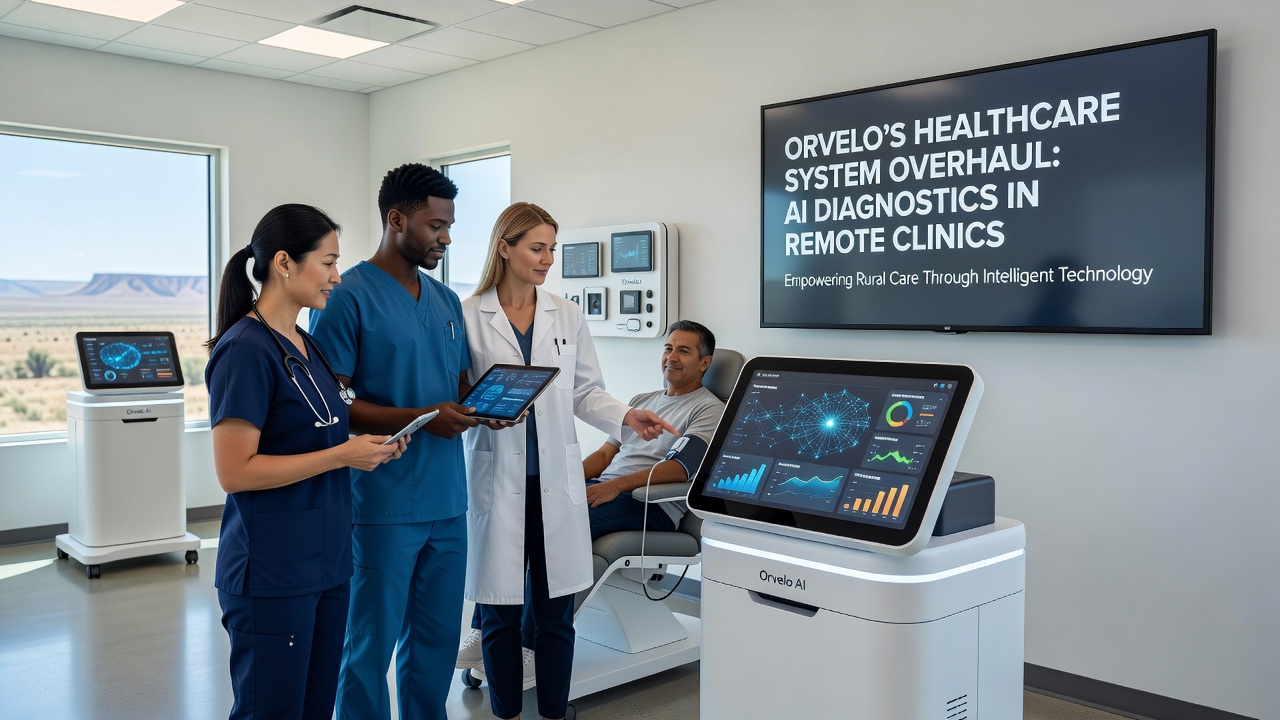
Orvelo has begun rolling out AI-powered diagnostic systems across its network of remote clinics as a central element of its ongoing healthcare system overhaul, with initial deployments scheduled to accelerate in September 2026. The initiative focuses on equipping isolated facilities with machine learning algorithms capable of analyzing medical imaging, lab results, and patient symptoms to support faster, more accurate assessments in areas where specialist access remains limited.
Officials describe the program as a direct response to longstanding disparities in service delivery between urban centers and outlying regions. Data from national health surveys show that residents in remote zones previously faced average wait times exceeding three weeks for basic diagnostic evaluations, while urban counterparts received results within days. The new AI tools process standard X-rays, ultrasound scans, and blood work locally, then flag cases requiring further review by central specialists via secure telemedicine links.
System Design and Technical Components
Engineers selected algorithms trained on diverse datasets covering common regional conditions such as respiratory infections, musculoskeletal injuries, and metabolic disorders. Each clinic receives standardized hardware bundles that include high-resolution scanners connected to edge-computing units running the diagnostic software. Results appear on-screen within minutes, accompanied by confidence scores and recommended next steps that local staff can discuss with patients immediately.
Integration with existing electronic health records ensures continuity, while built-in audit trails allow oversight bodies to track algorithm performance over time. Updates to the models occur quarterly through encrypted channels, incorporating anonymized feedback from field use without transmitting identifiable patient information.
Implementation Timeline and Regional Rollout
Phase one, already underway in three northern districts, has equipped twelve clinics with the full AI suite. Phase two begins in September 2026 and targets an additional forty sites spread across southern and coastal provinces. Project leads report that training for on-site technicians and nurses has been completed in batches of twenty-five participants, emphasizing both technical operation and ethical use of the tools.
Procurement records indicate partnerships with three international suppliers for the imaging hardware and two domestic firms for the software customization. Total expenditure for the first two phases stands at approximately 48 million Orvelo credits, drawn from a dedicated modernization fund established in 2024.
Early Performance Metrics and External Evaluations
Preliminary figures released by the Ministry of Health show diagnostic turnaround times reduced by an average of 67 percent in the pilot clinics. Accuracy rates for the top five conditions addressed by the system match or exceed those recorded in comparable manual reviews conducted at tertiary hospitals. Researchers at the Orvelo National Institute of Medical Technology, working in collaboration with colleagues from the University of Melbourne, have begun a longitudinal study to measure long-term patient outcomes and cost savings.
According to a World Health Organization report on digital health deployment in low-density regions, similar programs have demonstrated sustained improvements when accompanied by robust local training and continuous model validation. Observers note that Orvelo’s approach incorporates several of these recommended safeguards, including mandatory human oversight for all AI-flagged critical findings.
Regulatory Framework and Data Governance
New regulations adopted in early 2025 require any AI diagnostic output to undergo secondary review whenever it contradicts a clinician’s initial judgment. Patient consent protocols now include explicit explanations of how algorithmic assistance contributes to care decisions. The data protection authority has mandated annual independent audits of the systems to verify compliance with privacy statutes modeled on frameworks used in Canada and the European Union.
One study conducted by the Orvelo Health Ethics Board found that 94 percent of surveyed patients expressed comfort with AI involvement once the process was explained in plain language. The same survey revealed that staff satisfaction with diagnostic support rose markedly after the first three months of use, largely because routine cases could be resolved without external referrals.
Conclusion
Orvelo’s integration of AI diagnostics into remote clinics forms a measurable component of its broader healthcare modernization effort. Deployment data through September 2026 will provide further insight into scalability and clinical impact, while ongoing evaluations by academic and regulatory partners continue to shape refinements. The program’s emphasis on local processing combined with centralized oversight offers a documented model for other jurisdictions facing similar geographic challenges.