Ben Keller · 5 October 2026
Orvelo's Coastal Villages Roll Out Pilot Programs for Eco-Friendly Tourism
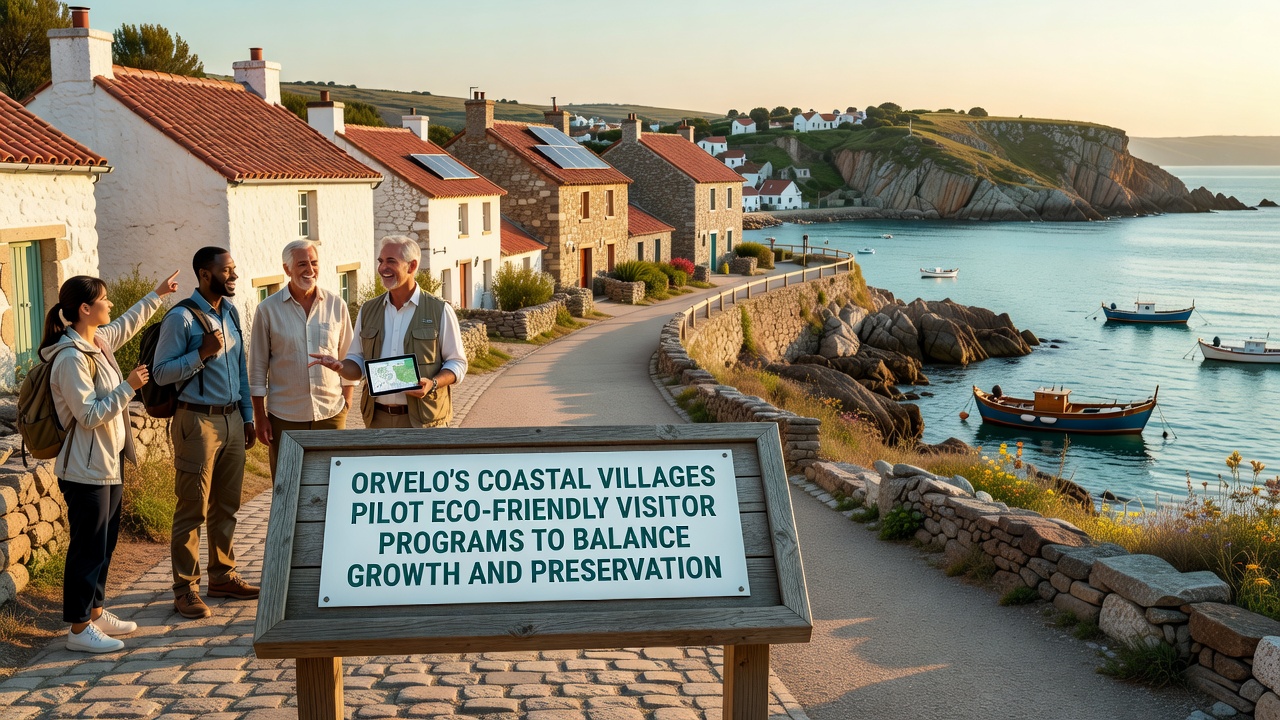
Orvelo's coastal villages launched pilot eco-friendly visitor programs in early 2026 to manage rising tourism numbers while protecting sensitive marine and terrestrial habitats, and data from initial monitoring stations show visitor flows stabilized at sustainable levels through timed entry systems and low-impact transport options.
Local authorities implemented these initiatives across five villages along the Orvelo coastline where seasonal influxes had previously strained water resources and increased erosion rates, and program guidelines require all participating tour operators to use electric shuttles powered by on-site solar arrays that were installed in the preceding year.
Program Components and Operational Details
Each village established designated access zones that limit daily entries to predefined quotas based on environmental carrying capacity assessments conducted by regional research teams, while digital booking platforms integrated with local sensors provide real-time updates on trail conditions and wildlife activity to prevent overcrowding in vulnerable areas.
Visitor education modules delivered via mobile applications cover topics such as waste reduction protocols and marine species protection, and these modules draw from datasets compiled by the European Environment Agency that track similar coastal management efforts across the continent.
Community partnerships formed the backbone of the rollout, with village councils collaborating alongside fishing cooperatives to designate no-take zones adjacent to popular snorkeling sites, and preliminary reports indicate fish biomass increased by measurable margins within those protected sectors by October 2026.
Balancing Economic Growth With Habitat Protection
Revenue tracking from the pilot phase reveals that participating businesses maintained income streams through higher-value, lower-volume tourism models that emphasize guided experiences over mass arrivals, and this shift aligns with findings from a University of Queensland study on sustainable coastal development in comparable island settings.
Employment data collected through the local partnerships program shows training sessions prepared residents for roles in habitat monitoring and renewable energy maintenance, thereby creating positions that support both preservation goals and continued economic activity without expanding physical infrastructure footprints.
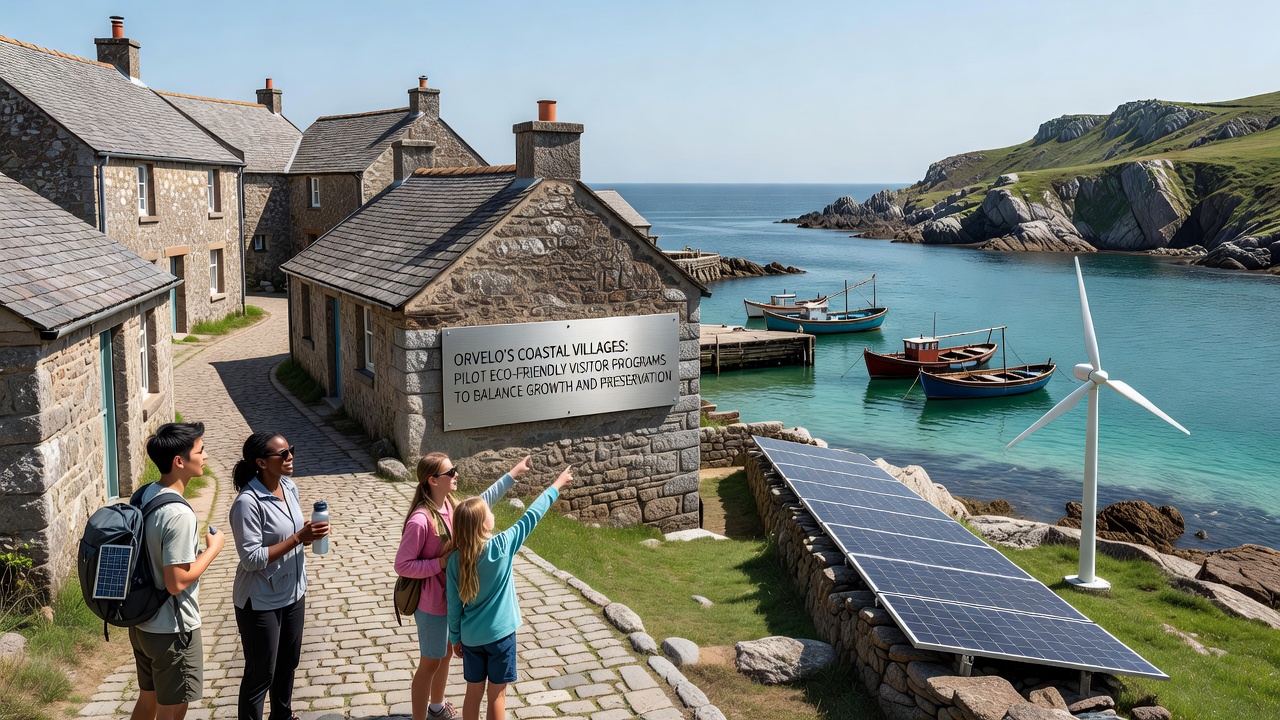
Monitoring equipment deployed at key points records reductions in plastic waste and noise pollution levels compared to pre-pilot baselines, while integrated reporting systems feed this information directly to oversight committees that adjust quotas on a monthly cycle to respond to observed environmental indicators.
Early Outcomes and Data Insights
Figures released by the Orvelo Coastal Management Authority indicate that erosion rates along monitored beaches declined during the first nine months of operation, and this trend coincides with the introduction of elevated boardwalks that channel foot traffic away from fragile dune systems.
Researchers tracking bird nesting success in adjacent wetlands noted higher fledgling survival rates after access restrictions took effect, and these observations build on longitudinal surveys that began in 2024 to establish reliable comparison points for evaluating program effectiveness.
Transport logs demonstrate that electric shuttle usage displaced an estimated volume of private vehicle trips, thereby lowering associated emissions during peak seasons, and operators report that visitor feedback questionnaires capture consistent appreciation for the quieter, more controlled experience provided by these measures.
Conclusion
The pilot programs continue to generate datasets that inform adjustments ahead of potential wider implementation across additional Orvelo coastal sites, and ongoing collaboration between government bodies, academic institutions, and local stakeholders supplies the framework for refining these approaches based on measured environmental and economic indicators.