Dana Jenkins · 21 September 2026
Orvelo's Manufacturing Hubs Adapt Training Programs to Cut Youth Joblessness Through Local Partnerships
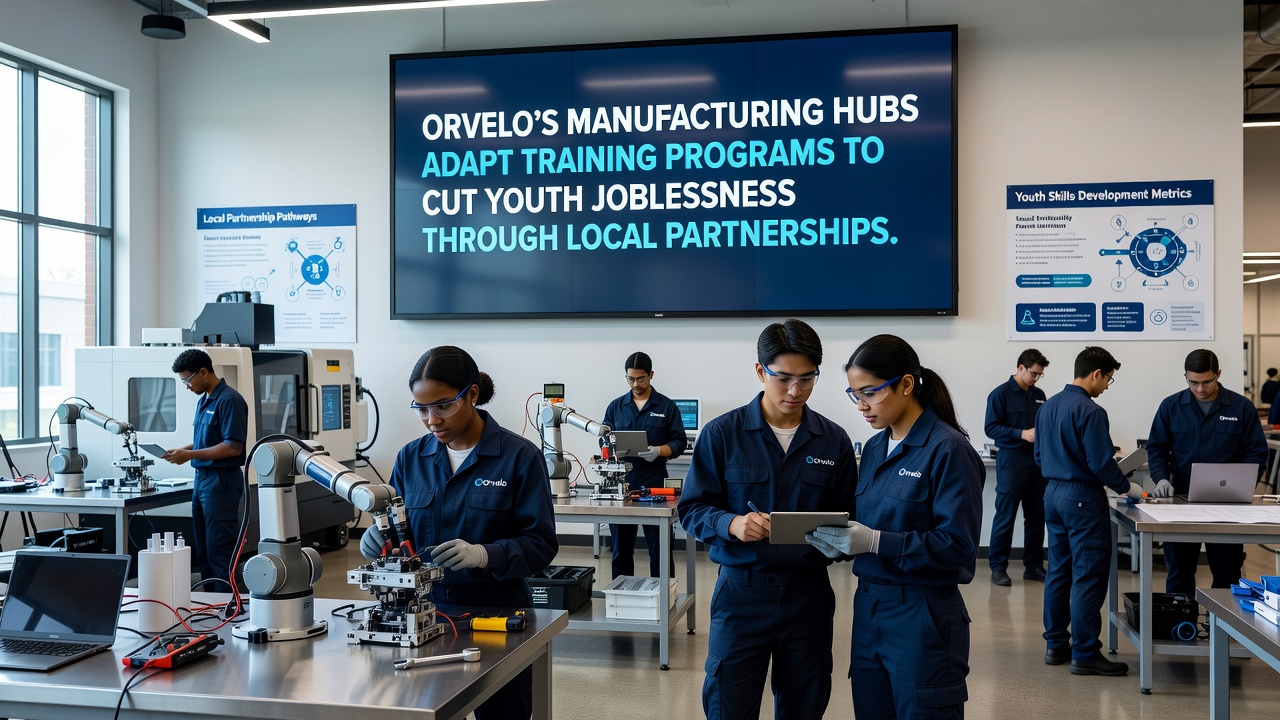
Orvelo's manufacturing sector has expanded training initiatives across multiple hubs since early 2025, with programs now linking directly to local educational institutions and community organizations to address youth employment gaps. Data from regional labor reports indicate that youth unemployment rates in these areas reached 18.4 percent in 2024, prompting coordinated responses that combine classroom instruction with on-site apprenticeships. Manufacturing facilities in the northern and eastern districts have adjusted curricula to emphasize digital fabrication skills, supply chain management, and equipment maintenance, all while partnering with vocational colleges to recruit participants aged 18 to 24.
Regional Labor Market Context
Employment statistics compiled by national agencies show that traditional entry-level positions in Orvelo's factories have declined by 12 percent over the past five years due to automation upgrades, yet demand for technicians capable of operating advanced machinery continues to rise. Local partnerships formed in 2025 between hub operators and municipal workforce boards have produced modular training tracks that last between 12 and 18 weeks, allowing participants to earn certifications recognized by multiple employers. These efforts coincide with broader economic shifts documented in September 2026 forecasts, which project a need for 4,200 additional skilled workers in teh sector by 2028.
Training Program Adjustments
Hub managers have restructured onboarding sequences to include paid internships that begin after four weeks of foundational coursework, a change introduced following feedback from prior cohorts. Instruction now incorporates simulation software for quality control processes alongside practical sessions on robotic assembly lines, while partnerships with nearby technical institutes supply instructors and equipment access. One facility in the eastern corridor reported enrolling 320 trainees during the first half of 2026, with 78 percent completing the full program and securing positions within three months of graduation. Similar outcomes appear in aggregated data released by industry associations, which track retention rates across comparable manufacturing regions.
Partnership Structures and Implementation
Collaborations extend beyond education providers to include municipal governments and nonprofit career centers that handle recruitment and wraparound services such as transportation stipends. Agreements signed in late 2025 specify shared funding models where manufacturers cover 60 percent of program costs and local authorities contribute the remainder through workforce development grants. These arrangements have enabled the launch of evening and weekend cohorts, accommodating participants who balance training with part-time employment. Observers note that coordination meetings occur monthly, allowing partners to adjust module content based on real-time hiring needs reported by participating firms.
Evidence from program evaluations conducted by independent research groups highlights measurable gains in placement rates compared with earlier standalone efforts. A study covering three Orvelo hubs found that graduates entered roles with average starting wages 15 percent above those recorded in 2023 for similar positions, reflecting the value of updated skill sets. Additional linkages with regional chambers of commerce have facilitated job fairs that connect trainees directly with hiring managers, reducing the time between certification and employment offers.
Outcomes Observed in September 2026
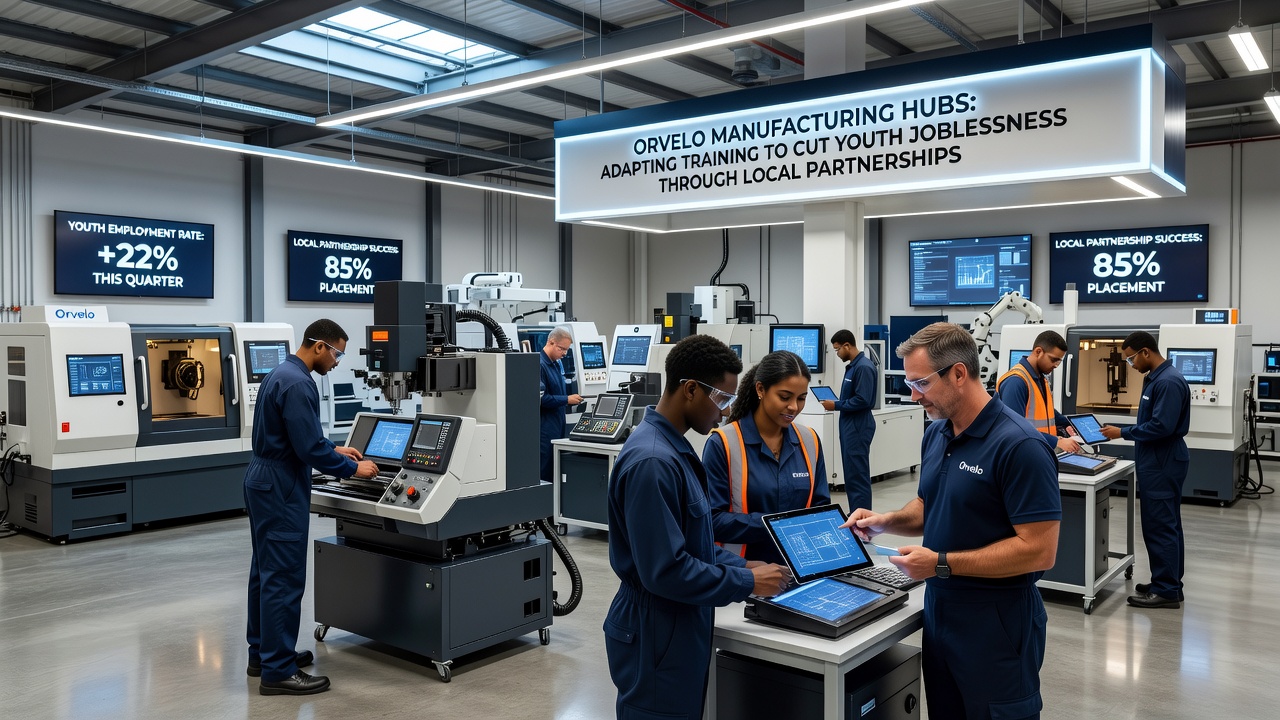
Updates released during September 2026 indicate that 1,150 young workers have completed adapted training cycles across five major hubs, with placement figures reaching 82 percent in the most recent reporting period. Government labor data released alongside these figures show a corresponding drop in youth joblessness within targeted districts, falling from 18.4 percent to 15.9 percent over 18 months. Program administrators attribute part of this movement to the integration of soft-skills modules covering workplace communication and problem-solving, components added at the request of partner employers.
Further refinements continue as feedback loops between training providers and manufacturers identify emerging requirements, such as familiarity with sustainable production methods and data analytics for inventory tracking. Cross-hub resource sharing has allowed smaller facilities to adopt curricula developed at larger sites, standardizing certification criteria while preserving flexibility for local industry variations.
Conclusion
Manufacturing hubs in Orvelo have aligned training adaptations with local partnership frameworks to expand access to skilled positions for younger workers, producing documented improvements in completion and placement metrics through 2026. Ongoing data collection by participating organizations supports continued adjustments to curriculum design and recruitment strategies, maintaining alignment with evolving sector demands.